You’ve just left the ER or the orthopedist’s office with a cast, a boot, or a fresh set of stitches, and the same question keeps circling back: how long is this actually going to take?
Recovery time isn’t the same for everyone, but for most fractures it follows a shape that’s predictable enough to plan around.
Most ankle fractures take about 6 weeks to heal enough for weight-bearing to begin, though full recovery of strength and flexibility can take several months longer.
Knowing what each stretch of that timeline looks like makes the whole thing easier to sit with. It tells you when the worst of it is behind you, when weight-bearing realistically starts, and when “back to normal” actually means back to normal.
How Long Is Broken Ankle Recovery Time?
There’s no single number, because “broken ankle” covers a wide range of injuries. A hairline fracture in one bone heals faster than a break involving multiple bones or one that needed surgical plates and screws.
That said, most patients can expect a broad range: 6 to 8 weeks of little to no weight on the foot, followed by several more weeks of gradual weight-bearing, with full strength and range of motion often taking 3 to 6 months to return.
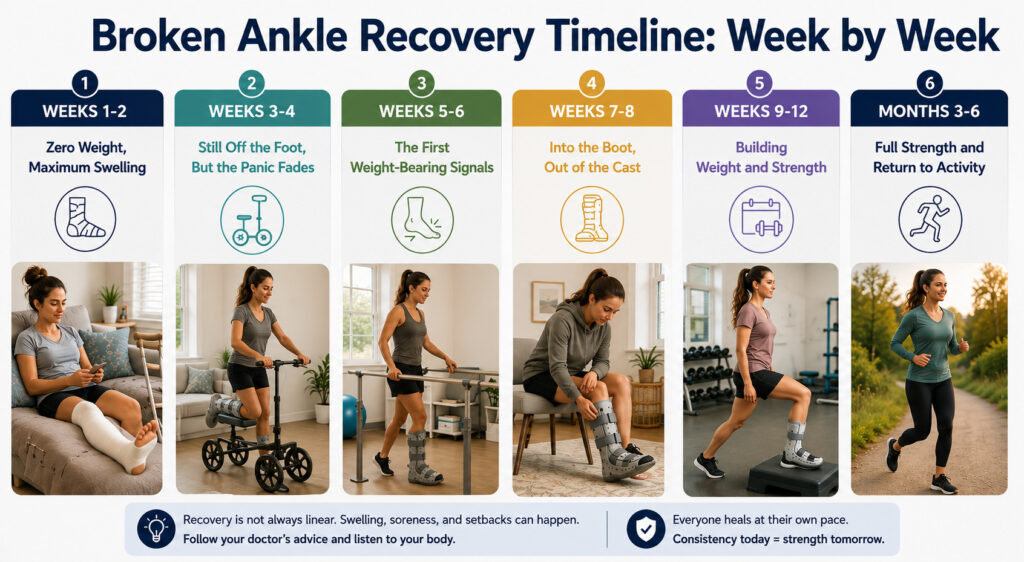
Broken Ankle Recovery Timeline: Week by Week
This is the part most people actually want: what changes, and when. The timeline below assumes a typical fracture treated with a cast or boot, non-weight-bearing at the start. Surgical cases often follow a similar shape but can start a week or two behind.
Weeks 1-2: Zero Weight, Maximum Swelling
This stretch is the hardest, and it’s supposed to be short. Swelling and pain peak in the first few days, and the foot needs to stay completely off the ground, no testing it, no “just this once.” Any early weight-bearing risks shifting the bone before it’s set and adding real time to your timeline.
Elevation matters more here than almost anything else. Keeping the foot above heart level whenever you’re sitting or lying down drains swelling faster than ice or rest alone.
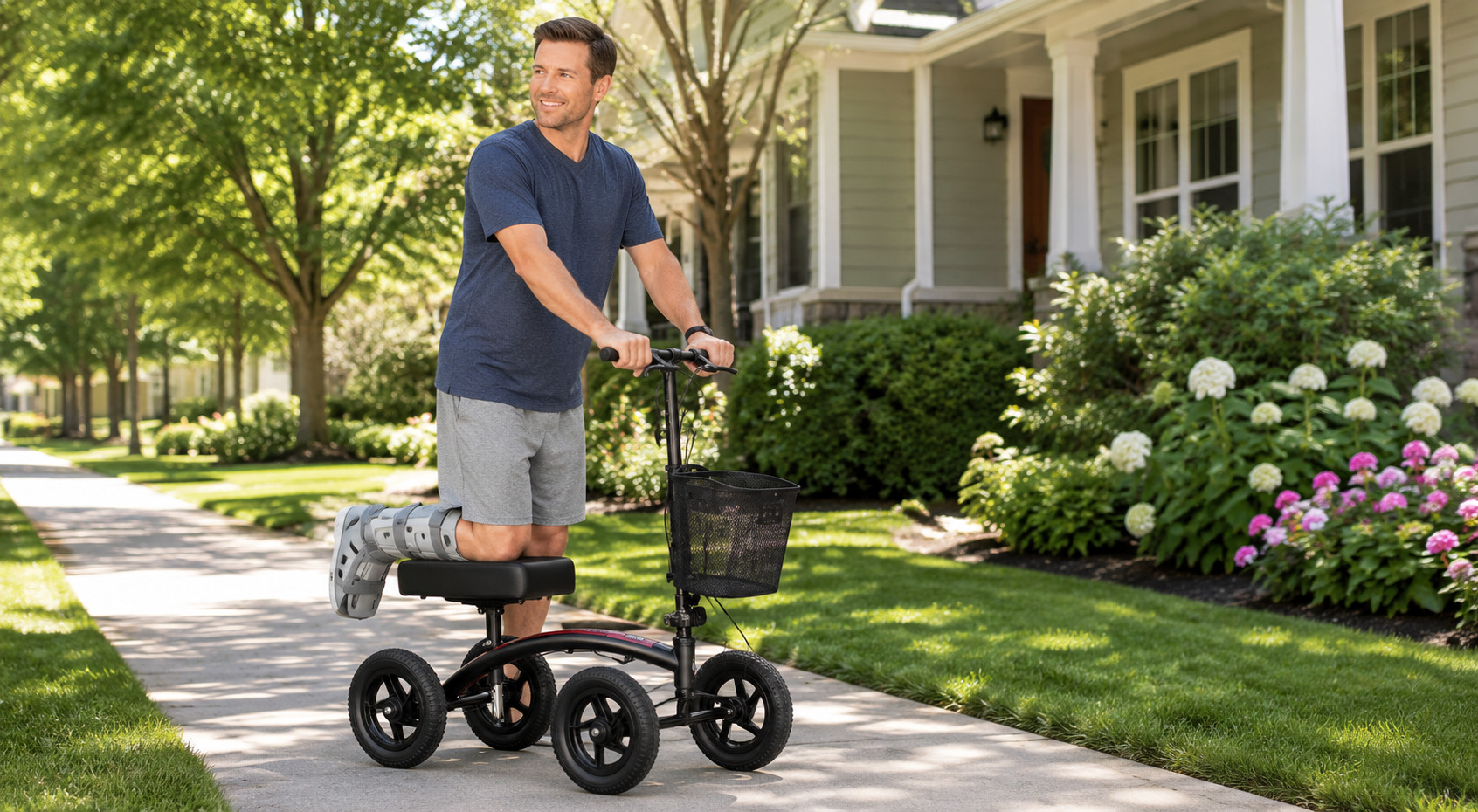
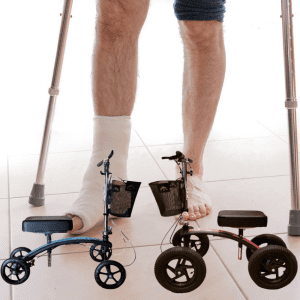
A knee scooter handles the getting-around part of this phase, kitchen, bathroom, car, without putting any load on the injured leg.
Weeks 3-4: Still Off the Foot, But the Panic Fades
Swelling starts to ease and pain becomes less constant, but most fracture patients are still fully non-weight-bearing here. It stops feeling like an emergency and starts feeling like a routine, even if the restrictions haven’t changed yet.
A follow-up appointment with X-rays usually lands in this window, confirming the bone is healing on schedule.
This is also when the mobility aid you chose stops feeling like a medical device and starts feeling like just how you get around, worth weighing your options early rather than mid-recovery.
Weeks 5-6: The First Weight-Bearing Signals
For many stable fractures, this is where partial weight-bearing conversations start, but only after doctor clearance and X-ray confirmation, never on a personal hunch.
More complex or surgically repaired fractures often stay non-weight-bearing longer, sometimes to week 8 or beyond.
Don’t compare your week 5 to someone else’s week 5. A stable ankle sprain-fracture and a trimalleolar fracture with hardware are not on the same clock, even if the calendar says the same thing.
Weeks 7-8: Into the Boot, Out of the Cast
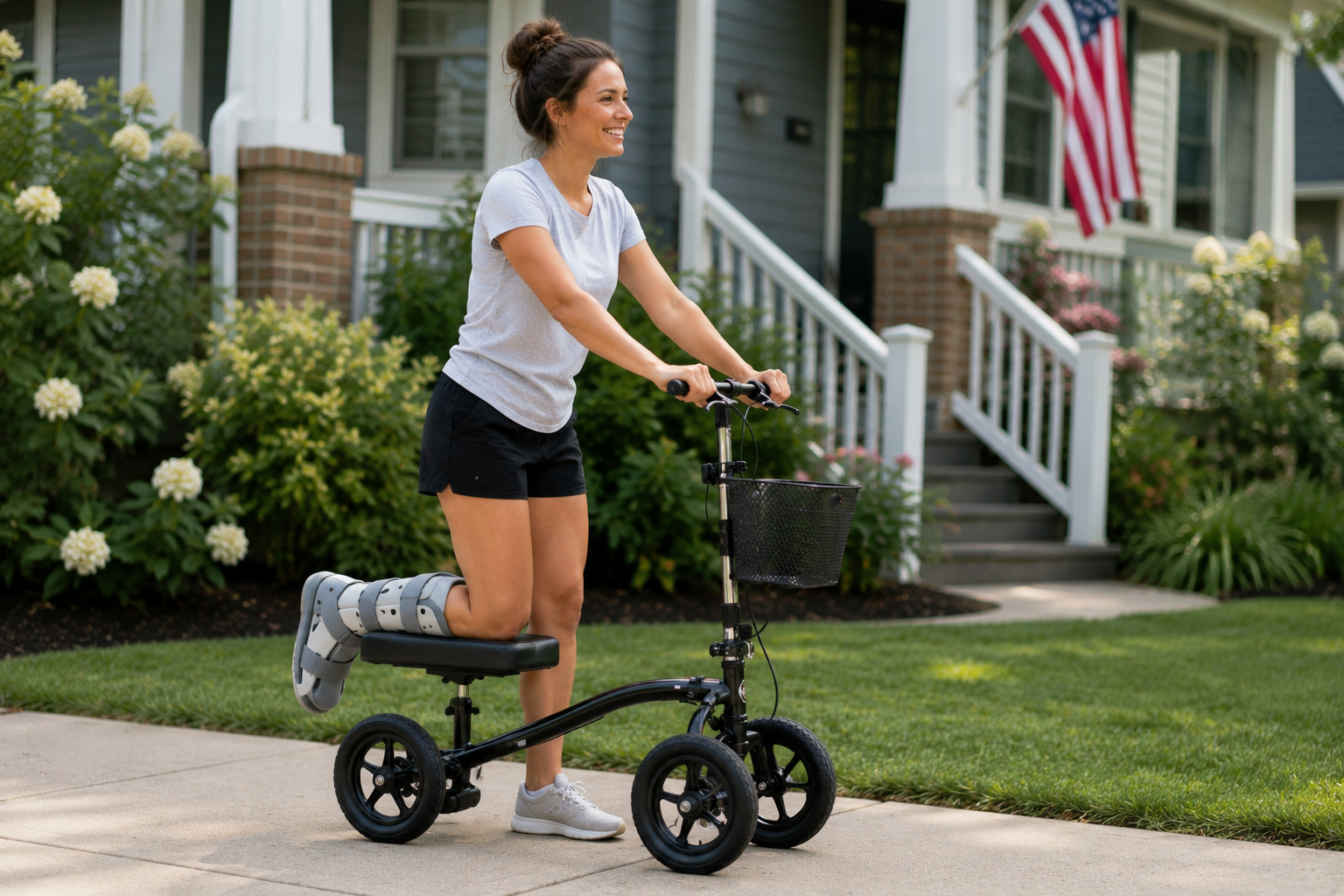
This is typically the transition phase. A cast usually comes off and a walking boot takes over, allowing controlled, partial weight-bearing under supervision. Plenty of patients use the boot for short distances and lean on a scooter when the leg tires or the trip is longer.
Physical therapy often starts around here too, focused on regaining ankle motion that stiffened up during weeks of immobilization.
Weeks 9-12: Building Weight and Strength
By this stage, most patients are progressing toward full weight-bearing in the boot, then transitioning out of it into a regular shoe.
Balance work and gentle strengthening exercises typically get added, since the muscles around the ankle have weakened from disuse..
Months 3-6: Full Strength and Return to Activity
This is where higher-impact activity, sports, and unrestricted walking typically return, though timing varies widely based on fracture severity and how consistent physical therapy was.
More complex fractures, like bimalleolar or trimalleolar breaks, generally carry longer rehabilitation windows than simple, single-bone fractures.
Factors That Impact Your Recovery Timeline
Several factors push healing timelines faster or slower, independent of the fracture type itself.
- Age and bone density: Younger patients and those with strong bone density heal faster. Older adults and anyone with osteoporosis tend to take longer.
- Smoking: Smoking restricts blood flow to the fracture site and measurably slows bone healing.
- Diabetes and circulation issues: These conditions extend healing time, which is why close monitoring throughout recovery matters.
- Adherence to non-weight-bearing orders (weeks 1-4): This has the biggest impact of all. Early weight-bearing is one of the most common reasons a straightforward fracture takes longer than expected.
Getting Around Safely While You Heal
None of the weeks above go smoothly if you’re improvising how to get around the house on one leg. Crutches are the default most people leave the ER with, but they’re tiring and don’t do much for balance on a bad day.
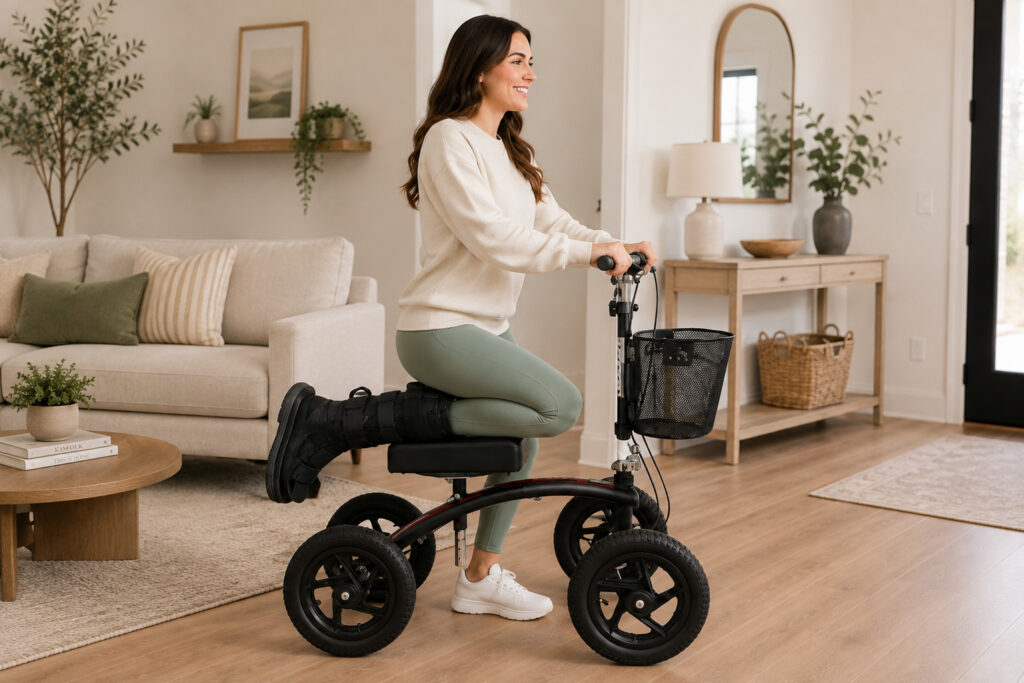
A knee scooter keeps the injured foot elevated and off the ground while your hands stay free, which matters for two straight months of kitchen trips, bathroom visits, and car rides. It also sidesteps the stairs problem crutches create in multi-level homes.
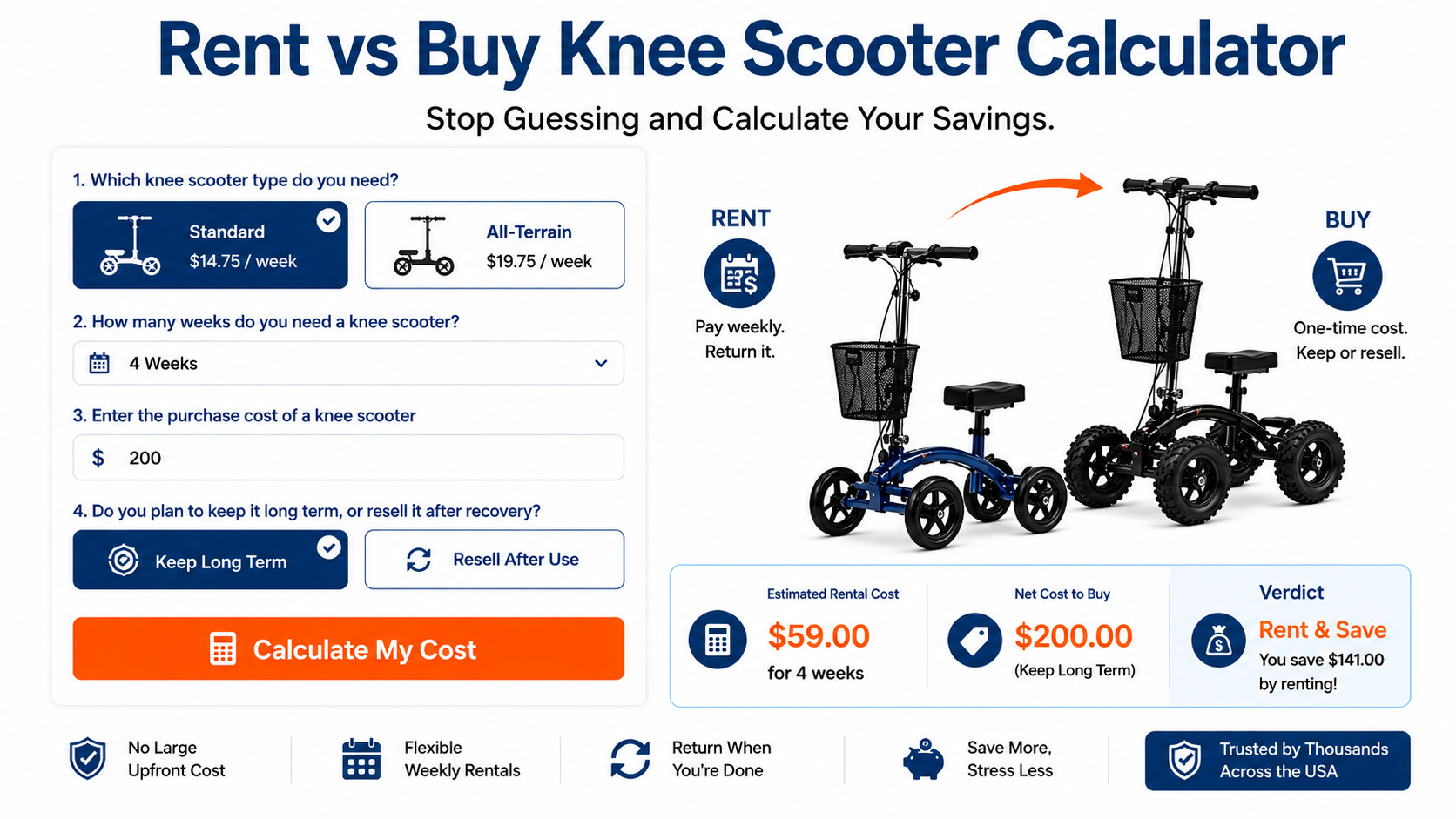
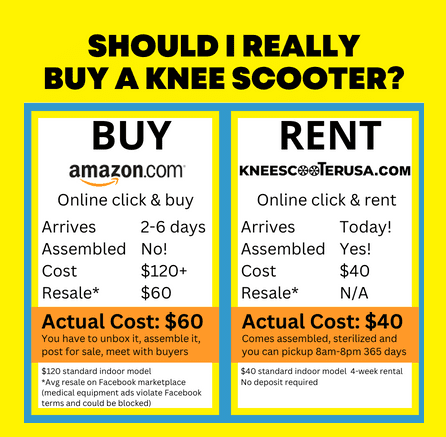
Buying one from Amazon means a 2-3 day shipping wait, then assembling it one-handed while injured and reselling it afterward rarely recovers half of what you paid.
Renting locally through Knee Scooter USA skips both problems: no assembly, no resale headache, and pickup ready within 5 minutes of booking.
If insurance is covering part of your recovery, it’s worth checking whether your knee scooter rental qualifies for reimbursement.
Give the Timeline the Time It Needs
Waiting through broken ankle recovery is frustrating, mostly because the first two weeks feel endless and the next ten weeks feel like they’re crawling.
But the shape of it is consistent for a reason: bone needs a predictable runway to heal, and skipping ahead on weight-bearing is the single most common way people add weeks back onto their own timeline.
Six to eight weeks off the foot, a transition through a boot, and a few more months rebuilding strength is the realistic picture for most fractures.
Respecting that timeline, and having the right equipment to get through it, is what actually gets people back on both feet faster.
Ready to make the non-weight-bearing weeks easier? Find a pickup location near you and get a knee scooter the same day you book it.